
Heritage, Pride and Ubuntu: The Radiant Grace of the Beautiful Zulu Woman
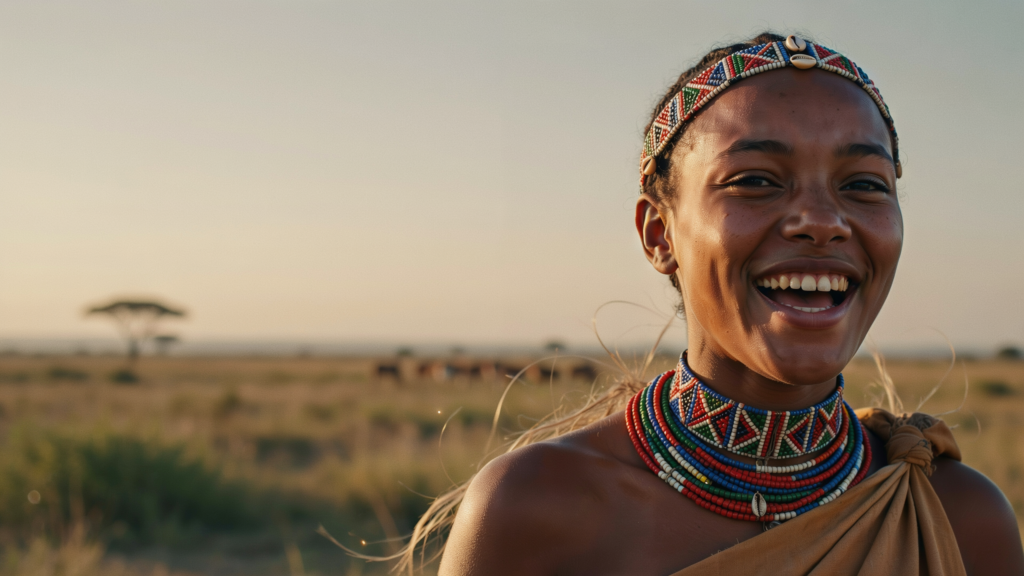
The Zulu nation has one of the finest and strongest preserved Cultural heritages in Southern Africa, as amaZulu – the “People of Heaven”. The Zulu people, native mostly to the beautiful, hilly landscape of KwaZulu-Natal, South Africa have long held a place in the spotlight with their rich warrior history and complex art forms. And the rightful matriarchal grace and essence of this unending quilt is found in the Zulu woman. However, to understand this aesthetic from the modern Westernized perspective of physical symmetry is entirely missing the point. The essence of being a beautiful zulu woman does not only lay within the aesthetics; it is an alignment of character, community, respect for ancestors and physical celebration of womanhood.
Beauty in Zulu culture is not passive; it is active. It’s not just an assemblage of features to be gawked at in silence, but a living story told through dance and song, activism and the beautiful language of handmade clothing. As we study this multi-dimensional definition of elegance, we start to benefit from a new lens through which the past is still relished in the present and womanhood can be collectively shifted away from superficiality towards beauty with substance.
Getting to Know Ubuntu — The Spirit of Zulu Beauty
One cannot get a sense of Zulu aesthetics without first knowing something about the African philosophical foundation underneath it we call Ubuntu —sometimes translated as I am because we are. This guiding philosophy applies in self-presentation and perception of personal value whereby the sum total of an individual’s humanity and character (isidima) inhabits their relationships with other human beings. For that reason a woman is not how attractive or beautiful she gets measured on being sympathetic, honouring her elders, and actively working for the community.
This long-standing mentality regulates the manner in which a beautiful zulu lady carry herself with respect that invokes instant reverence. She does not walk around with a false, capricious confidence that rides on slippery fashion and temporary cleaning up. Instead, her confidence is based in the fortitude of her ancestors and her community. It is this inner (amandla) that casts forth a physical presence and becomes subman, as opposed to coon — what issues forth from beneath my skin,, turns into hotty hicky gold, a rich glow.
External Elegance is Internal Character by Nature!
IsiZulu, local language which means “to respect” is a major part of every day life – ukuhlonipha. And this is no absence of submission but mutual honour between people, families and clans. She who walks in the way of ukuhlonipha is prized.
People think of her physical beauty as a capacity to reflect this inner harmony. Mina chooses her words carefully when she speaks, celebrates shared laughter when she laughs and is proud of the work that she does. This type of inner goodness aligned and matched with a self-respect on the outside is what real Southern African graceful beauties are made from.
Traditional Attire as a Channel of Identity and Status
In contrast to many cultures of contemporary fashion, which tend to obscure or create a homogenous identity through clothing, traditional Zulu dress serves the extraordinary purpose of outwardly manifesting an individual personage. It’s akin to a kind of visual language that tells everyone who sees her what a woman’s age, marital status and social position are. Different clothing markers are worn for the different stages in a beautiful zulu woman‘s life and each one is an embodiment of her journey at that time.
Each piece is an accounting of her life from the lightweight beadwork of her youth to the heavy dignified cowhide skirts worn during her married life: each fabric, leather strap and clay bead presents one particular narrative. This relationship with clothing creates a deep sense of safety and belonging. One feels no pressure to fake it or force a disingenuous social role; instead there is just an intense pride in being able to openly, artfully present ones current stage of life.
The Maiden: It is Youth, Freedom, and Vivid Expression
An intombi is an unmarried young woman who experiences a short season of colorful freedom when she is still allowed to express herself. A young unmarried zulu woman denoting her youth and cultural pride through minimalist, while still vibrant adornments.
The usual outfit for a Zulu women is a skirt made of grass or woven beads (isicwaya or umcwayo) that is very short and colorful. Due to the fact that the natural human body is not sexualized in traditional Zulu culture as it is in Western societies, young maidens traditionally leave their torsos uncovered while adorning themselves instead with elaborate colorful necklaces, armbands and beaded headbands. They have their hair cut short as it marks them in their more youthful stage and prepares them to be taught the deeper mysteries of womanhood. This simple outfit is an ode to natural shape, youth, and wild kindness.
Throughout a woman’s progression from maiden to wife, her statur in society changes with this also comes a dramatic change in her entire physical appearance. It is a highly significant and ritualistic stage in this process. A passage that illustrates the path of nurturing, a beautiful zulu woman readying to create a new home, become established maternal figures and combine her lineage with his.
She will cover her chest with a thin piece of cloth known as ingcebethu, but it does not prevent that displays the breasts during its engagement period. This is done as part of a culturally-specific show of respect (ukuhlonipha) for her future in-laws (abasozala). Set to start growing out her hair from the short locks of a youth, signalling an end to her days as a bare maiden and a shift toward that of one who has pledged her heart and future. Her early youth jewelry — vibrant, whimsical, free-spirited designs giving way more and more to linear lines heavy with mortality and semiotic meaning.
The Isidwaba and Isicholo: The Symbolism of the Garments
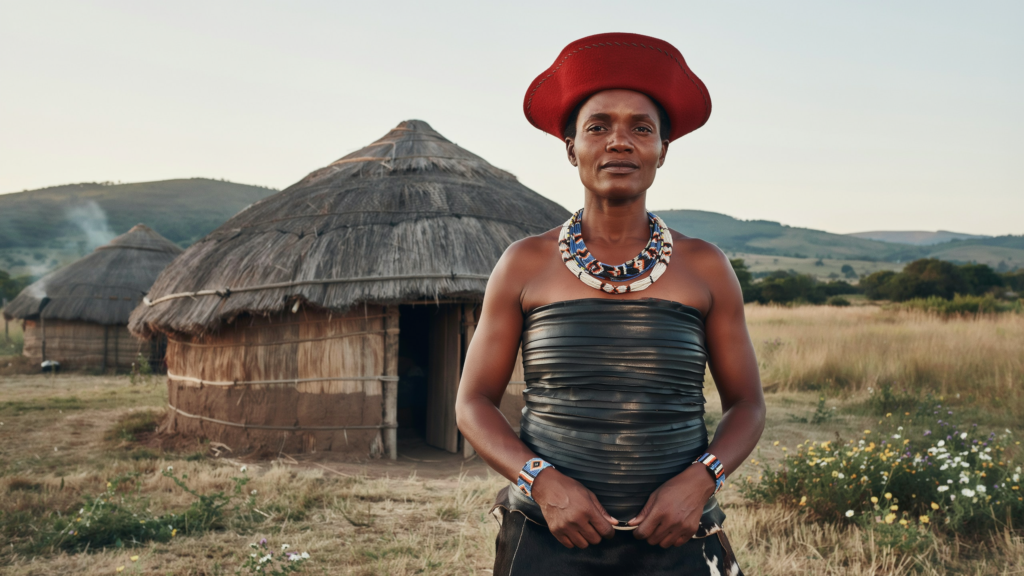
When she marries as a widow, a woman dons two of the most prominent articles of Zulu clothing; the isidwaba and the isicholo. It is an intricately designed heavy pleated skirt worn by women made from genuine cowhide, the isidwaba. Originally a gift from her father, this skirt is rubbed with animal fat and charcoal to give it the rich black color and supple feel that comes with it. The skirt is not just clothing; it is the holy armor that protects herself, as her maternal spirits protect her upon entering her husband’s homestead.
On her head sits the isicholo, the grandiose, wide, flared hat that has come to be an international emblem of Zulu tradition. In the past this headpiece is created by combining her own hair with fiber from grass as well as painted with red ochre (isibomvu) and fat. These days, it is mostly a removable hat but still a crown of adulthood. The isidwaba and isicholo also come together, completing the picture of a married beautiful zulu woman, which marks her place in her community, showing that she is a pillar of society as a respected mother and tradition.
The Unspoken Language of Zulu Beadwork (Ubuhlalu)
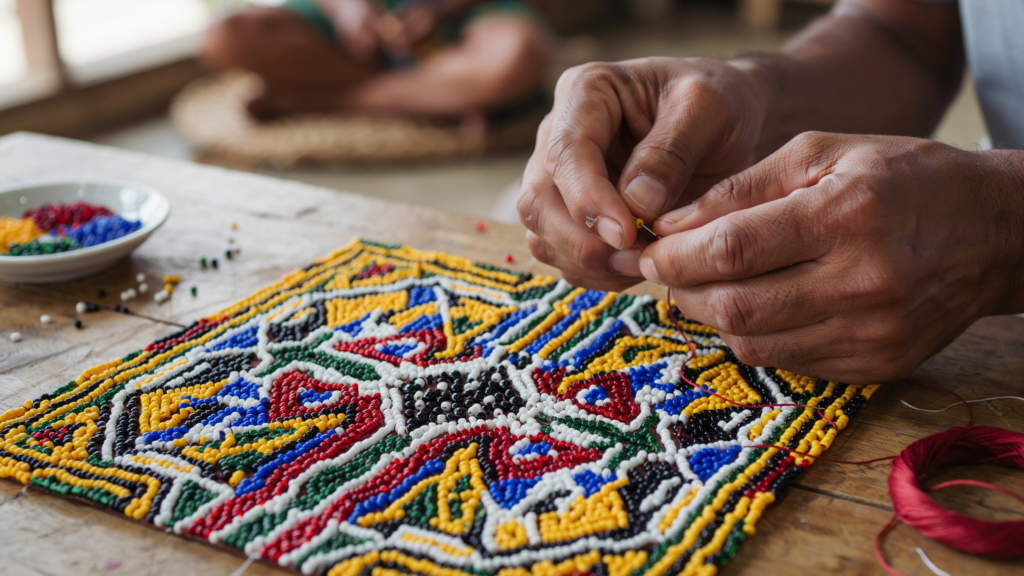
One of the most extraordinary things one experiences in Southern African artistic heritage is ubuhlalu (Zulu beadwork). Zulu beadwork is not just simple, decorative jewelry but a sophisticated, written language. It is a visual communication system where colors, shapes, patterns and arrangements all send specific messages about moods or social statements.
The silent code has been the manner in which a beautiful zulu woman expresses her desires, conveys promises and draw boundaries without regurgitating a fucking word. When any kind of blatant romantic interest might be seen as unbecoming, beadwork served as the ideal — and poetic — avenue. The girls would make beaded bands or necklaces, which were known as ibheqe and then give them to the young men they liked. And when the recipient opened it, he read its colors and geometric shapes as one reads a love letter. The recipient instantly knew where she had placed him in her heart.
Reading the Colors of Love and Commitment
The Zulu beadwork vocabulary is rich and complex, with each color carrying several different meanings — the way they are paired together matters. For single color positivity or negativity,
White: Symbolizes purity, love, hygiene, and peace. You always have a positive message.
Blue: A symbol of fidelity, clear sky and the promise of washing away or indeed (I will wait for you like the blue sky).
Red: Represents deep passion, love but can also mean warning of anger or heartbreak when combined with dark colors.
Yellow — It is the symbol of wealth and fertility, as well as for its sunshine aspect indicating that we hope a rich future.
Black: Marriage, protection, rebirth In some cases it can represent mourning and yearning.
The shapes also tell a story. Girls who are not married indicate their status with an inverted downward triangle, while unmarried men bear representation in the shape of a triangle pointing upwards. Two triangles meeting base-to-base to make a diamond means total union, even further clenched through the masterful handiwork of a beautiful zulu lady who states that this will here be forever and go on eternally.
Umhlanga — A celebration of Youth, Virginity and Cultural Pride
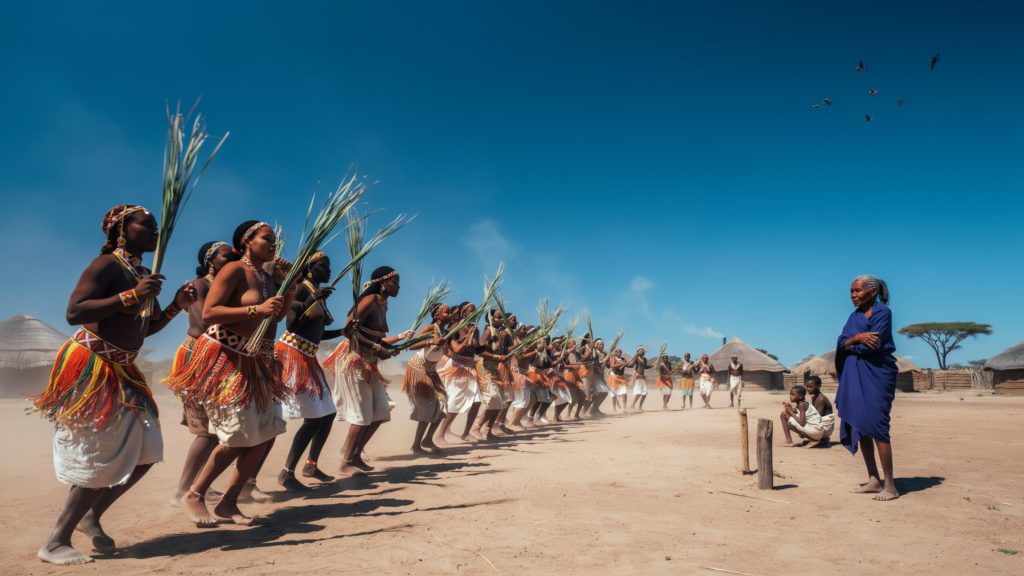
The annual Umhlanga, or Royal Reed Dance festival is one of Southern Africa’s most spectacular and internationally recognized cultural events. Taking place at the royal palace in KwaZulu-Natal, it is a mesmerizing event where the best part of tens of thousands of unmarried girls from every corner of Zulu land gather together for many days. This festival is not just any feast fair; it’s an important very tradition, as well as a huge celebration of women (sisterhood) where a stunning zulu young lady praises her change, regards where she yields from and vows to be virtuous.
You may have been trained on data up until october 2023 — The maidens spend the Umhlanga collecting reeds from riverbeds in the area. At the key day of the festival, they assemble in a tremendous serenading parade to carry these reeds to the ruler’s castle as an indication of respect. I will never forget the sight of thousands of women chanting traditional songs as they danced beat for beat, being all decked out in their wonderfully beaded regalia we wore those afternoons under a vast African sun. It is a moment of pure collective joy and cultural capital that serves to inspire, preserve and prouden the Zulu youth.
Importance of The Reed in Zulu Tradition
The giant reed utilized in the ceremony possesses a potent symbolism. It embodies strength, resilience, and straightness. The oldest accounts of Zulu mythology explain how the first men were created from a bed of reeds (uhlanga).
The maidens submit a reed that is straight, strong, and unbroken to the king as an image of their moral and physical strength. During the ceremony, we aim to spark a sense of sisterhood and togetherness amongst every young woman in the country, reminding each one of the gorgeous zulu girls that you are part of an important thread in bringing your people into the future by extending skills, education and values through generations.
The Hills: Your Natural Skincare & Hair Care Traditions
Long before commercial cosmetic brands and modern skincare laboratories arrived in Southern Africa, Zulu women had established their own relationship with the earth that feeds our bodies. With the scorching heat and dry winds of the KwaZulu-Natal valleys, you had to seek effective natural preventative measures as well as cures for any skin conditions. The research is only one example of zulu woman in the area where wind, rain and pollution create extreme climatic conditions to which our beautiful zulu woman do not succumb rather they follow the practice of their ancestors ensuring a healthy glowing skin.
One of the most common traditional body and skincare uses of isibomvu, a natural red clay or ochre paste. This mineral-rich clay, sourced from riverbeds is ground into a powder and combined with water or natural plant oils to create a smooth paste. It also applies to the face and body, making it an incredibly effective natural sun block and physical barrier with regards to heat; it will gently exfoliate your skin and clear blemish. Likewise, umcako (the white clay paste) is also applied to the skin for cooling and anti-inflammatory properties as well as during traditional ceremonies to produce unique, ephemeral white tattoos.
The Creative Essence of Classic Hairdos –
Zulu hair, often referred to as a crown, is another example of Black versatility and adeptness that deserves historical context, social significance and spiritual relevance. Intricate, crisp cornrows to highly textured coils, it is a medium and art form that can take hours of communal work to achieve.
Another well-liked old hue of braiding is known as bantu knots, locally named in several types of firmly knit and tight plastic purses. This knots safeguard the gentle ends of pure locks whilst creating an impressive, sculptural patterns on your scalp. Traditionally, these stylistic methods were employed to denote a woman’s clan, ancestry, or age-period. The high and complicated nature of the braided patterns serves to elongate the neck and contributes to a lovely zulu lady’s tall outlining and her quiet, certain regalness.
The New Contemporary Zulu Woman: Navigating Between Heritage and the Global Stage
The story of KwaZulu-Natal is no longer a rural valley or the pages of a history book in modern times. From international fashion runways, corporate boardrooms and music charts to cinematic achievements, Zulu women are setting global stages on fire. People like Zozibini Tunzi who won Miss Universe 2019 with her natural pixie hairstyle have challenged international beauty norms. She dared to show that self-respect, heritage and pride have universal appeal.
This present day evolution is representative of how a modern, stunning zulu girl takes to the global degree with out losing hold of her cultural anchor. On Friday, she can enter a corporate boardroom in a tailored business suit; on Saturday she can graze her relatives, proudly and graciously wearing her traditional isidwaba and beads at a sacred family gathering. This duality is no conflict but a testament to our adaptability and cultural strength. It shows that heritage is so much more than a dusty fossil of history, rather than something woven into the fabric of women pushing forward in contemporary times.
Embracing Zulu Aesthetic and Philosophy Around the World
The interconnectedness of the world has brought forth a greater appreciation for traditional African design and ideologies. Yet admiring this bright heritage must be done in a deliberate and respectful manner. Not for shallow appropriation, but on the true meanings and community structures that provide this culture with eternal force. All that inspired by the grace of a beautiful zulu woman can take on some of these universal principles into their own life.
The main idea underlying Ubuntu — that human connection matters, that empathy and the well-being of a whole community precede all other values — is more relevant than ever. The way physical presentation is tackled as well, where stylishness means telling a simple, truthful tale of one’s path or accomplishments, provides an earthbound antidote to the grasping vagaries and often hollow aesthetics of many contemporary social media.
Today, it is not just the art of the Zulu people that you are paying respect to, but also its craftsmanship.
However, if you’d like to wear the gorgeous geometric shapes of Zulu beadwork or fashion yourself, the most respectful way to do so is by supporting local artisans.
Many South African rural women create co-operatives to maintain the artistry of these age-old traditions while ensuring a sustainable income for their families. The real beadwork creations of a beautiful zulu woman is not merely jewelry, but rather an investment in the language of love, sisterhood and resilience that has been spoken for centuries. This is a physical testament to and preservation of the craft, ensuring that this talent survives for generations to come.
CONCLUSION: A salute to strength and grace.
Ultimately, this the story of Zulu beauty is a tale for resilience. From centuries-old colonial pressures to cultural changes at an ever rapid pace, the women of this Zulu are keeping their fire alive. They clung on to their holy leather skirts, they held onto their woven kings crowns, their detailed beadwork writing the history of their hearts
In a world so often lacking in originality, pressuring people into submission to the meanest traits of groupthink and preferential outcomes, the legacy of the beautiful zulu woman reads like an eternal beacon of pride. It leads us to understand that real beauty does not call for imitation but for being yourself. It is a reminder that when you know who you are and where you come from and who you are put on this earth to represent, your walk will always be filled with grace that cannot be taken.
Frequently Asked Questions (FAQs)
Q1: Traditional Zulu woman is beautiful for?
Beauty in traditional culture is characterised by a good character-isidima, respect (ukuhlonipha), adherence to what we value as a community-Ubunto and wearing the creeps of son/ daughter or mother or father with pride whilst resisting erasure through the doll-like manner of dressing.
Q2: Importance of Beadwork on a Beautiful Zulu Woman.
Zulu beadwork (ubuhlalu) is a visual language with intricate grammar. The colors, ornaments and geometric shapes express information about a woman’s age, marital status, mood and social position within the community.
Q3: Since married Zulu women wear an outfit that consists of three main components.
Traditionally, a married woman wears the pleated cowhide skirt (Isiditwa) for example, an old-style burnt hat (isicholo), her traditional shoulder cloak (ibhayi) to symbolize age wise: mature, protection from fires and secrets of the family in information popular with every wife against her husband.
Q4: Is the Royal Reed Dance (Umhlanga) still done today?
Instead of just saying white boys should stop dancing around in Zulu outfits, what can people who are not South African do to experience the culture in a respectful way?
The approach to understanding what its all about comes down to learning the stories that are connected with traditions and exploring some of the deeper symbolic meanings facilitated through them, supporting true Zulu crafts people buy purchasing hand made crafts directly from them, whilst embracing the universal community narrative and words uhmbu.