
How to Clean Private Area Female Safely Step by Step
Maintaining intimate hygiene is a cornerstone of overall health for every woman. However, due to societal taboos, many women often feel confused about the right way to care for their intimate areas. If you are wondering how to clean private area female safely, you have come to the right place. This comprehensive guide is designed for beginners who want to maintain their health at home using a natural way and without chemicals.
Understanding Your Anatomy: Vulva vs. Vagina
Before we dive into the step by step process, it is crucial to understand the anatomy. Most people use the word “vagina” to describe everything “down there,” but medically, the vagina is the internal canal. The external part is called the vulva.
When discussing how to clean private area female safely, we are strictly talking about cleaning the vulva. The vagina is a self-cleaning organ. It produces natural secretions (discharge) to flush out bacteria and maintain a healthy pH balance. Attempting to clean the inside of the vagina can lead to infections like Bacterial Vaginosis (BV) or yeast infections.
Why You Should Clean Without Chemicals
The skin in the intimate area is extremely sensitive and porous. Using harsh soaps, scented body washes, or vaginal douches can disrupt the delicate ecosystem of “good bacteria” (Lactobacilli). If you want to know how to clean private area female safely, the first rule is to do it without chemicals.
Chemical-laden products often contain:
- Parabens: Which can disrupt hormones.
- Artificial Fragrances: The leading cause of contact dermatitis and irritation.
- Sulfates: Which strip away natural moisture.
By choosing a natural way, you ensure that your body’s defense mechanism remains intact.
How to Clean Private Area Female Safely: A Step by Step Guide
For many, this is a new topic, so we have broken it down into a simple step by step routine that you can easily follow at home.
Step 1: Wash Your Hands
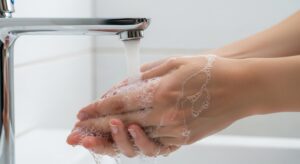
Before touching your intimate area, always wash your hands thoroughly with mild soap. You don’t want to transfer bacteria from your hands to your vulva.
Step 2: Use Lukewarm Water
The most effective and natural way to clean is by using plain, lukewarm water. Water is sufficient to remove sweat, dead skin cells, and menstrual blood without irritating the tissues.
Step 3: Gentle Wiping Technique
When cleaning, use your hand or a very soft, clean washcloth. Gently move your fingers around the folds of the labia (the lips). Ensure you are cleaning the areas where sweat and oils can accumulate.
Step 4: The Front-to-Back Rule
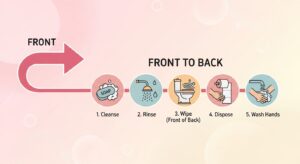
This is the most important part of how to clean private area female safely. Always wash and wipe from the front (the urinary opening) toward the back (the anus). This prevents fecal bacteria from entering the vagina or urethra, which could cause Urinary Tract Infections (UTIs).
Step 5: Pat Dry
After washing, do not rub the area harshly. Use a soft, dry towel to gently pat the area dry. Moisture trapped in the folds can lead to fungal growth.
Intimate Hygiene for Beginners: The Golden Rules
If you are looking for tips for beginners, remember that “less is more.” You do not need fancy sprays or flavored washes. Your body knows how to regulate itself. Learning how to clean private area female safely is more about what not to do than what to do.
- Avoid Douching: Douching is the practice of spraying water or mixtures inside the vagina. This is dangerous and can cause chronic infections.
- Skip the Scents: Scented pads, liners, and toilet papers can cause allergic reactions.
- Choose Cotton: Wear breathable cotton underwear to allow air circulation.
The Role of pH Balance in Safety
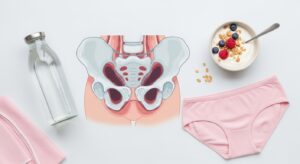
A healthy vaginal pH is typically between 3.8 and 4.5, which is slightly acidic. This acidity is a natural defense against bad bacteria. When you research how to clean private area female safely, you will find that many soaps are alkaline (high pH). Using these soaps destroys the acidic barrier. This is why cleaning without chemicals is the safest bet for maintaining the natural flora.
Benefits of the Natural Way
Choosing a natural way to manage your hygiene at home offers several benefits:
- Zero Irritation: No more itching or redness caused by dyes.
- Cost-Effective: You don’t need to buy expensive “feminine washes.”
- Long-term Health: Reduced risk of recurring yeast infections.
By following this step by step approach, you are prioritizing your reproductive health. Knowing how to clean private area female safely isn’t just about smell; it’s about preventing discomfort and disease.
Managing Odor and Discharge Safely
It is natural for the private area to have a slight musky scent. This is not a sign of being “dirty.” However, if you notice a strong, fishy odor or a change in discharge color (green or gray), it might indicate an infection. In such cases, knowing how to clean private area female safely involves seeing a doctor rather than scrubbing harder.
Cleaning at home should be focused on external maintenance. If you try to mask odors with perfumes, you are only trapping bacteria and potentially making the situation worse. The natural way is to let the body breathe and stay hydrated, which helps regulate natural odors.
How to Clean Private Area Female Safely During Menstruation
Period hygiene requires a bit more attention. Blood can sit on the skin and cause irritation. Here is a step by step guide for period days:
- Change Frequently: Change pads every 4-6 hours and tampons every 4 hours.
- Wash Twice Daily: During your period, washing the vulva with lukewarm water twice a day is recommended.
- Clean After Each Change: If possible, use a peri-bottle or water to rinse the area at home when changing your menstrual product.
By following these steps, you ensure you are managing your cycle without chemicals or irritation.
Post-Intimacy Hygiene
Many women ask how to clean private area female safely after sexual activity.
- Urinate Immediately: This helps flush out any bacteria that might have entered the urethra.
- Rinse with Water: A quick rinse with plain water helps remove bodily fluids and lubricants.
- Avoid Harsh Wipes: Many “after-sex” wipes are full of chemicals. Stick to the natural way of using plain water.
Choosing the Right Products (If Necessary)
If you feel you absolutely must use a cleanser, look for products specifically labeled as “pH-balanced” and “fragrance-free.” However, for beginners, we always recommend starting with just water. If you want to stay without chemicals, look for organic ingredients like aloe vera or chamomile, but only for external use.
Lifestyle Habits for a Healthy Private Area
Learning how to clean private area female safely also involves your lifestyle choices. What you do throughout the day affects your hygiene at home.
1. Dietary Choices
Probiotic-rich foods like yogurt and kimchi help maintain healthy bacteria in your gut and vagina. This is a natural way to prevent yeast infections from the inside out.
2. Hydration
Drinking plenty of water thins out mucus and helps the body flush out toxins, keeping your private area healthy and well-lubricated.
3. Sleeping Without Underwear
At night, it is often recommended to sleep without underwear or in loose pajama bottoms. This allows the area to “breathe” and reduces the risk of moisture buildup, a key tip for anyone wanting to maintain hygiene at home.
Common Myths vs. Facts
To truly master how to clean private area female safely, we must debunk some common myths:
- Myth: The vagina should smell like flowers.
- Fact: A healthy vagina has a mild, natural scent. Artificial scents are a sign of potential chemical irritation.
- Myth: You need to scrub the area to get it clean.
- Fact: Scrubbing causes micro-tears in the sensitive skin. A gentle step by step touch is all you need.
- Myth: Douches prevent pregnancy or STIs.
- Fact: Douching does neither and actually increases infection risk.
When to Consult a Professional
Even if you follow every step by step instruction on how to clean private area female safely, issues can still arise. Consult a healthcare provider if you experience:
- Persistent itching or burning.
- Unusual sores or bumps.
- Thick, cottage-cheese-like discharge.
- Pain during urination.
Summary for Beginners
Maintaining your intimate health is simple when you focus on the natural way. To recap:
- Clean the vulva, not the vagina.
- Use lukewarm water without chemicals.
- Wipe front-to-back.
- Stay dry and wear cotton.
By following this guide at home, you are taking a proactive step toward your comfort and long-term health. Understanding how to clean private area female safely is an empowering part of womanhood.