
Of Beautiful Native American Women Who Are Graceful, Strong And Have A Legacy
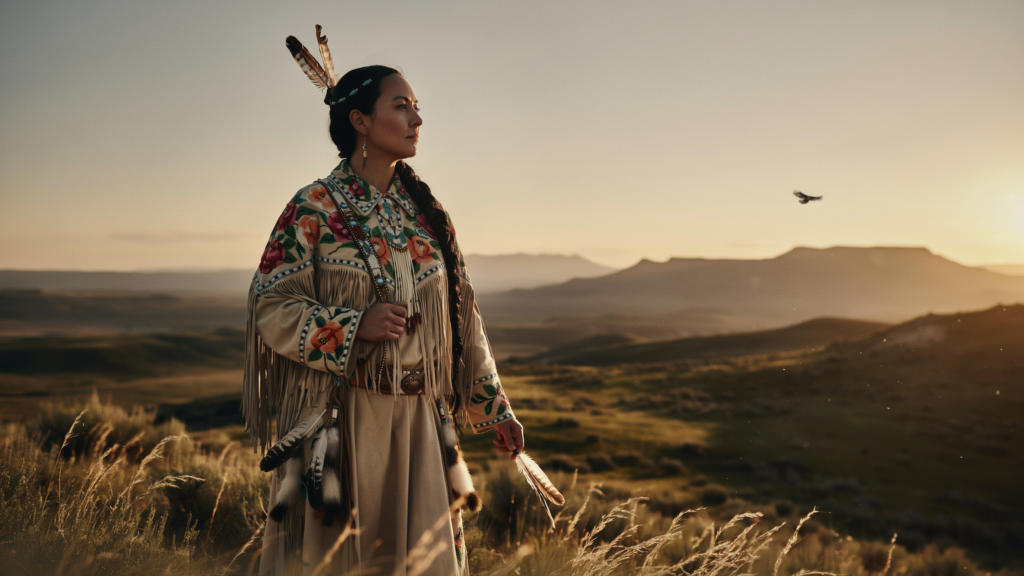
Beautiful native american women; At the time of writing this, it is October 2023; which for most people meant that they were able to experience how society and living on Earth can be something more than just the grind. At its core though, sitting within this rich tradition are the stunning native american women who have held hold cultural and spiritual wisdom with successfully passing down language from one generation to another for centuries. Their beauty is not simple, it is connected with their strength, the roles that belong to them through generation and their relentless efforts to preserve this way of life. To fully appreciate this beauty, you must go beyond what the media would have us think today and uncover the history of indigenous women and how they play a very important role in their spiritual identity.
Indigenously throughout the continent, tribes and bands had a world view that differed completely from the European cultures that came to inhabit this land. Most Native American tribes did not see women as subserviant; they were considered to be an integral part of community. They are life givers, teachers, supporters and trailblazers. These communities viewed beauty as a manifestation of the inner spirit of a woman, her role in serving her people and power from within nature.
Redefining Beauty: An Indigenous Perspective
Beauty in contemporary Western societies is deeply rooted in time-bound fashions, consumer cosmetics, and engineered proportions of narrow physical attributes. Nevertheless, a beautiful woman in the indigenous communities is so much more all encompassing and based on character, contribution to community and spiritual/dimensional alignment. In the past, beautiful native american women were praised not for adhering to some kind of outside ideal but rather because of their skills in farming, story-telling, healing and leading. A woman obeyed her man, respected her elders and supported/raised her family.
In the Lakota tradition, a virtuous woman is defined by four key qualities, Wóksape (wisdom), Wacantognaka (generosity), Wótanyeh (honesty) and Wowacintanka fortitude. It was attractive and highly respected that a woman manifested these traits. Looks were just a layer; the real beauty of woman belonged to her heart and what she did. This mindset created a strong level of self-worth and confidence in young girls who believed their value was innate, connected to the survival and well-being of their tribe.
The Sacred Meaning of Hair and Clothing
It is impossible to talk about indigenous aesthetics without acknowledging how powerful traditional regalia and personal grooming can be. Amidst ceremonial, seasonal and pow wow gatherings, with their legacy dresses joined by intricately-beaded attireand sacred feathers serving as a statement to their Tribal identity. With every stitch of beading, and patterned cloth sewn into dresses – this is history written in fabric – lineage, tribal history and individual accomplishment.
Moreover, in many Native traditions hair is viewed as something extremely sacred. Your hair (and its length, thickness and whether or not it is flowing) is interpretted as an extension of your soul and physicalization of thought, memory & spiritual strength. Hair braiding is a unique ritual as it connects mind, body and spirit — you are often doing this in groups which builds connections. To hash up with feathers, shells or silver clips in the hair is not just to be fashionable — women do it as a devotion to the creator and out of respect for living elements.
Historical Foundations of Strength and Wisdom
Indigenous women have often found their stories romanticized or silenced by dominant narratives throughout history. However these most glorious native american women were indigenous peoples who fought to defend their lands, functioned as diplomats or fought the indispensable fight of survival. They were also warriors and defenders of the Homeland, diplomats and negotiators – matriarchs who kept their families intact as genocide and forced displacements happened.
Women As Leaders The legacy of great intellect and hardiness, embodied by figures such as Sacagawea, the known Shoshone who was a powerfully skilled guide and diplomat on the Lewis and Clark Expedition So is Lozen, who was an Apache warrior and prophet who stood by her brother Victorio’s side using both spiritual intuition and muscles to keep their people from being taken captive. These women were not relegated to the background; rather, they were key strategists and leaders who helped shape the history of their nations.
Matriarchal Societies and Indigenous Leadership
One needs to remember too that a lot of Native American societies were actually matrilineal or matriarchal. Women wielded great political and social power in tribes including the Haudenosaunee (Iroquois) and the Cherokee. Haudenosaunee Clan Mothers were able to select, counsel and even displace male chiefs. What they did control was the land, and in doing so they controlled how food reached certain places, their ability to wage war or make peace.
Such a societal constitution made sure that women were always heard and respected. These beautiful native american women were leaders in the sense that their style of leadership was based on a long-term vision—how will the decisions being made today serve the next seven generations? This profound sense of accountability and future-conscious leadership continues to characterize the activism and community work of indigenous women even now.
Resilience and Survival in Exile of the Colonized
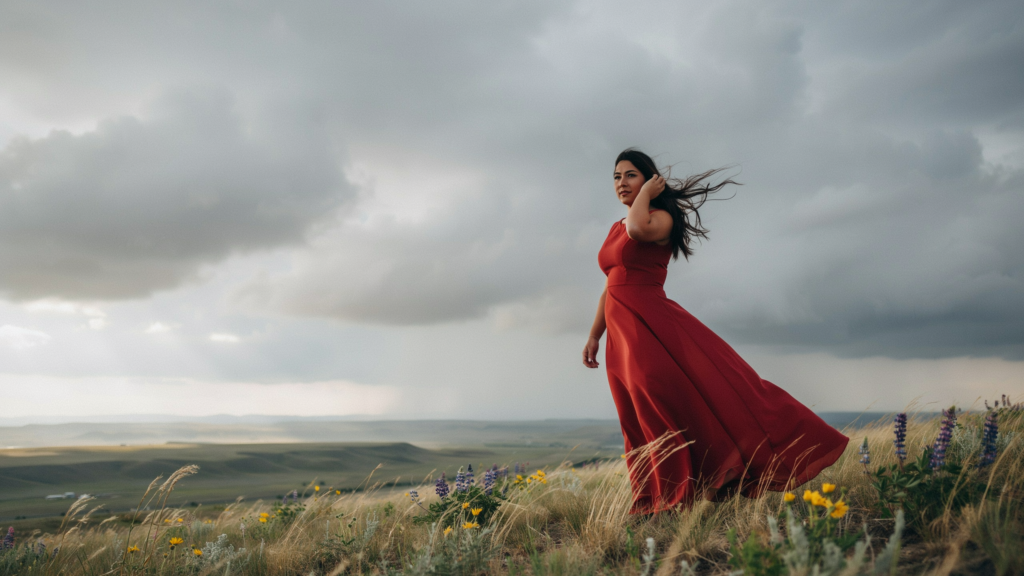
Columbus’ discovery of the Americas profoundly altered the indigenous way of life across North America with the arrival of European settlers. Colonization was not simply a land grab; it sought to eradicate the societal structures of native governance, particularly those systems led by women and passed down through the eldest female. Because European colonizers were from extremely patriarchal societies, they tended to refuse any negotiations with a female leader, and would not acknowledge women in political power. Though these catastrophes of overlord pressure and mortals lost—land and life—the spirit of beautiful native american women was unbroken. They slowly turned into the silent sentinels of survival; weathering treacherous new normals, yet protecting their cultural nucleus.
Women were left behind with the burden of feeding their family, as communities were kicked off forced from their homeland and put on reservations. They needed to discover alternative nutritional approaches on scrap lands; solace the sick without time-honored therapeutic plants; enjoy and increase social cohesion after trauma. And through it all, the beauty was their strength—a quiet and fierce one that would allow their nations to remain alive rather than become footnotes of history.
Forced Assimilation and Boarding Schools
The assimilation policies in place by the US and Canadian governments also culminated into their most devastating form during the late 19th to 20th centuries through the boarding school system. Under the slogan of “kill the Indian to save the man,” thousands of native children were taken from their families for generations. At these schools, children were forced to abandon the clothes of their heritage, had their hair hacked off and were beaten for speaking their own language.
Grandmothers, mothers and aunties played a crucial role to keep the indigenous identity alive. It was these same beautiful native american women who in the seclusion of their homes on break from school or in hushed tones away from the prying eyes of government agents and school officials tended to fire still smoldering beneath power more than hot enough to set indigenous culture alight. They remembered the stories of their ancestors, they practiced sacred rituals in secret, and they spoke their mother tongues so that children would know it all. The resilience of these mothers guaranteed that although the boarding school this thread was pulled tight so as not to be broken.
Modern Cultural Preservation and Revival
Today, we see a mighty cultural renaissance sweeping across Indian Country, and again at the tip of this spear are women. Beautiful native american women is taking back the narrative for themselves in today world, challenging toxic stereotypes and reinvigorating ancient customs. They are working to reclaim their dying languages, restore whole sustainable food systems and heal the generations of trauma that have plagued their communities for decades.
This renaissance is not a throwback – it is about integrating ancient knowledge systems into our lives now to tackle today and tomorrows challenges. On climate change and environmental resources, Indigenous women say their traditional ecological knowledge acquired through generations of women is especially important.
Big up the storytelling, histories and oral traditions
Oral storytelling has been the main vehicle of transmitting history, law, morals and spirituality for millennia. Now, in what was once called the Western world, contemporary indigenous women writers, poets and filmmakers are using today’s media to tell these stories around the globe. In poetry, in novels, in independent film, they are offering up the maddening details of reservation life, urban Native lives and that impossible joy of living culture.
Their literature and art offer a modern indigenous experience that is nuanced, they challenge tired Hollywood dialectics which portray 아름다운 아메리카 원주민 여성 as an artefact of history rather than a millennial who lives, likes and romances. Ode to Native Women Joy Harjo is the first-ever Native American United States Poet Laureate and their powerful voices tell the stories of the history, presence, and perseverance of their nations.
Art, Fashion and Traditional Crafts As a Means of Expression
Indigenous heritage is also preserved and celebrated through artistic expression. For the indigenous peoples of North America, visual arts have always served to communicate their connection to the sacred — from Navajo weaving and Pueblo pottery to modern-day haute couture. Brilliant textiles, careful quillwork and iconic pottery made by the beautiful native american woman are among the most valued collectibles of discerning, international buyers.
These crafts aren’t just decorative—they’re very much a prayer in and of themselves. Every choice in design reflects the cosmological beliefs as well as geographical landmarks of each family lineage. Today, indigenous designers around the world are taking these traditional motifs to global runways, passing them down through time-honored techniques while incorporating modern silhouettes. Old meets new in this gung-ho proprietary tribute to the neverending freshness, beauty, and ageless sophistication of indigenous design.
Activism, Leadership, and Political Empowerment
The North American political spectrum has undergone a transformative process over recent decades, heavily influenced by the tireless work of indigenous peoples. Indigenous women are at the centre of these contemporary struggles for justice, human rights and treaty preservation. They have moved from the backbone communities of parts reservation to lead national movement and international movement The Missing and Murdered Indigenous Women and Relatives (MMIWR) crisis is one of the most pressing concerns they have been able to shine a global spotlight on.
Mainstream media and federal law enforcement spent too many years ignoring the violence faced by Indigenous women. Grassroots organizations fronted by native women coalesced to ask for justice, to gather accurate data and assist grieving families in response to this systemic negligence. Native american women are beautiful and full of passion, and they write anonymous letters explaining these efforts in the hopes that their sisters, daughters, and mothers should not go unaccounted for by justice systems; this is why they use their voices to call upon policies as well as accountability from institutions. No longer silent and subjugated by the restrictive norms of their culture, they are making their voices heard through symbolic acts like the REDress Project: empty red dresses hung in prominent places around the world.
Protectors of the Environment and Holy Lands
Indigenous women have also been the most ardent of guardians of Mother Earth itself who have continuously stood up and told humanity that we, too, rely on her benevolence. Indigenous philosophies regard water as something much more than a resource; it is sacred life-giver. The importance of water is so well known, it was a rallying cry during the Standing Rock protests against the Dakota Access Pipeline when “Mni Wiconi” (Water is Life) made international headlines.
As the great protectors of mother earth, it has been beautiful native american women who have often risked their bodies to stop pipelines, destroy logs and keep copulatory water as clean as you can. Indigenous women activists have claimed that, depending on the destruction of land and environment in different territories, violence against the lands and bodies of indigenous peoples are interconnected. As ultimate caretakers of ecological balance, they are safeguarding sacred waters and lands that protect a future for generations to come.
The Growing Influence of Indigenous Women in Governance
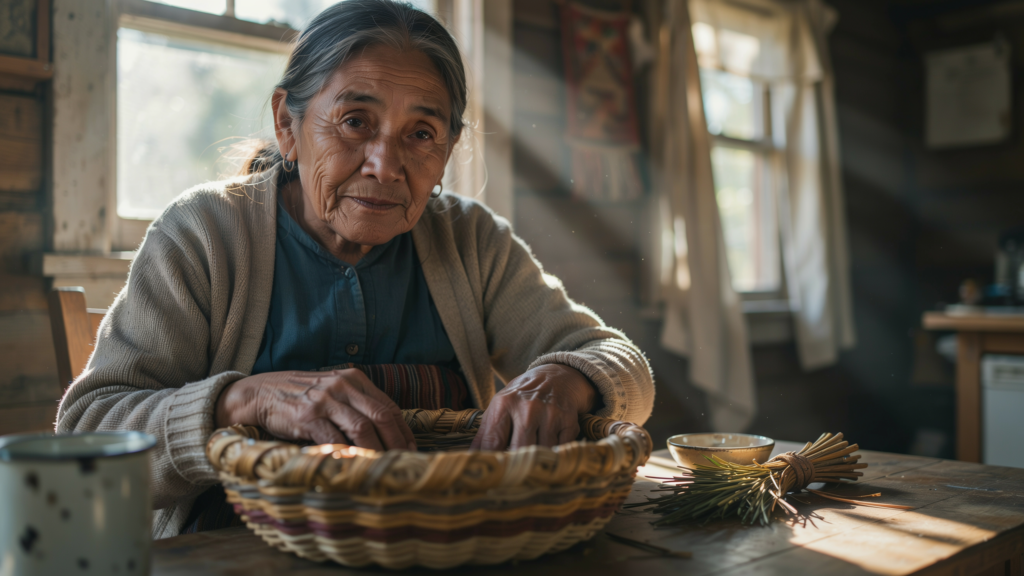
The persistent-legacy of matriarchal power as well is finding a place in today political landscapes. Indigenous women, long excluded from participating in federal and state government decision-making roles, are now for the first time ever occupying those seats of power.
And in recent years, stunning native american women have also entered government halls taking office in some of the highest positions and driving policy to the national scale. Monumental historic move forward extending into 2023, Figures such as Deb Haaland — the first Native American Cabinet secretary in history heading Interior Department. That named her the first indigenous woman to manage many of the very federal lands and resources that had been stolen from her ancestors. It is vital to have this level of representation, which protects indigenous sovereignty and treaty rights at the top levels of government.
Hugh Health, Wellness, and a Return to Our Indigenous Practices
Colonization has spent centuries stripping native peoples of their customary health and wellness practices, replacing them with institutional systems that brought limited benefit to the holistic health needs of these communities. There is a strong returning to traditional healing practices today and women are leading their people back home.”
A holistic Native wellbeing (physical wellness is wrapped up in mental, emotional and spiritual health) Indigenous women providing ancestral wellness practices to help restore Indigenous communities with historical and intergenerational trauma.
Reclaiming food sovereignty and sacred nutrition
At the heart of this wellness movement is a critical component called “food sovereignty”; that is, the right of indigenous peoples to determine their own food and agriculture systems. This resulted in a spike in diabetes, heart disease and other chronic illnesses once the U.S. began selling processed, government-supplied commodity foods on reservations.
Beautiful native american women are reversing diabetes and other diseases brought on by colonial introductions through a return to the diets and plant medicines of their ancestors. They are bringing back heirloom seeds, gathering wild herbs and showing the younger generation how to grow the traditional crops such as corn, beans and squash (the Famous Three Sisters). Through this return to ancestral nutrition, the people reclaim more than their physical health; it is a spiritual practice that reestablishes a connection to the soil and seasons of these lands, to one another, and even — in a non-mystical way — to what your grandparents ate.
Contemporary Voices Both in your ear … Global Impact
Regardless of where we live or how far we move away from COVID-19, the global reach of indigenous women has never been more relevant as we step into the future. They have moved beyond operating solely within the confines of reservation borders, and are now leading internationally in areas such as science, technology, engineering, mathematics (STEM), higher education and the global arts. They are demonstrating that cultural preservation and modern progress, when blended through ancestral knowledge and educational accomplishments, can go hand in hand.
There have been many programs and initiatives which support the advancement of indigenous women specifically in STEM and higher education more broadly (such as DreamCatcher; Lead 2 Tomorrow; #MMIW).
In fact, indigenous people have faced monumental obstacles to higher education access for decades. Today however, a new generation of scholars are making this reality change. Never before have Indigenous women earned advanced degrees at the same rate as they are in fields like medicine, law, environmental science and public policy. More than a few of these academics are committed to doing work that contributes directly to the communities that produced them (for instance, studying indigenous tribal health inequities or creating sustainable agriculture models).
These Fresh Faces demonstrate that the brain behind beautiful native american women flame out within everywhere. They have allowed their dispositions of spiritual worldview to be brought into domains of scholarly and scientific inquiry, showing how embracing holistic means to address problems adds depth to these practices in a manner that can only further the sciences.
Changing Narratives by Sports, Media and Pop Culture
The representation in the past, particularly within media and entertainment space have always positioned people in caricature and historical stereotypes. But the streaming landscape is undergoing a seismic shift. For once native creators, directors and actors are getting the platforms they deserve to tell their authentic experiences in a complex way.
Fast forward to now, when the world views media representations, they are unlearning and witnessing beautiful native american women found in layers of nuance, agency and real feelings instead of being highlighted as historical wallpaper. As actresses like Lily Gladstone deliver historic turns that are being recognized on the global stage, they are redefining what it means to be an indigenous actress in Hollywood. The representation therefore is unequivocally powerful, especially for young indigenous girls who can now turn on the TV screen, enter cinemas and attend fashion runways but see reflected back at them truthfully their own lives and struggles with beauty being allowed to live.
Conclusion: Strength And Grace For The Time Ahead
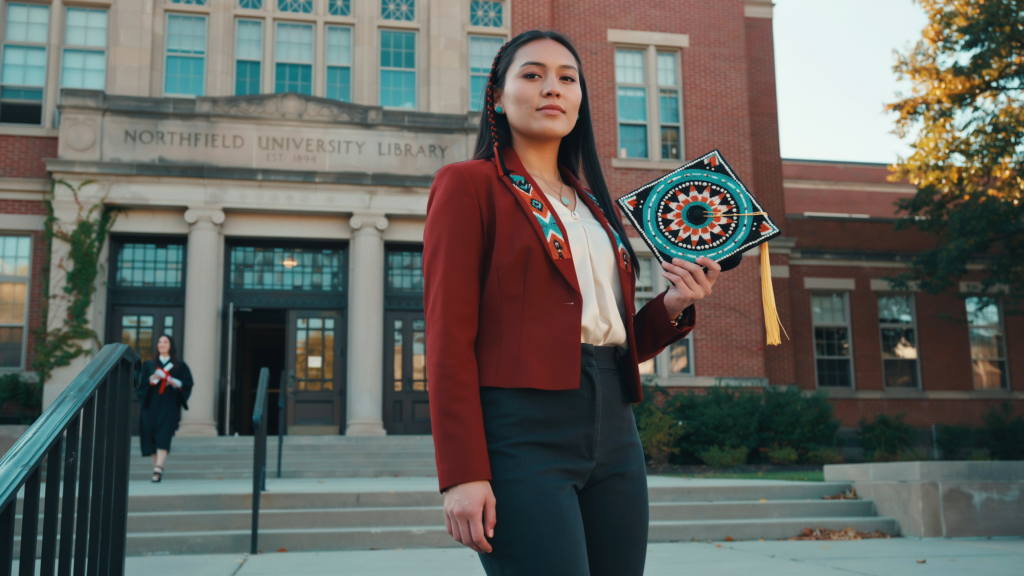
The story of indigenous women is not a retelling of the tragedy that started years or decades ago, but an active and current story of survival and making good — for themselves and their peers. They have served since time immemorial as clan mothers and political strategists in matrilineal societies, cabinet secretaries, environmental activists, scientists and artists; they remain the heart of their nations. Their beauty has never been only skin-deep; it is etched into their very resiliency, rooted in the spirit of their ancestors, and made strong out of love for the next seven generations.
Beautiful native american women is a cycle of evolution that lives reverently in the past, and reaches ambitiously into the future. But through all the proceedings, they continue to stake their rightful place in global history as world leaders and state this: beauty lies with standing tall in your truth, guarding the sacredness of that which we create and walking through life proud and powerful.
Frequently Asked Questions (FAQ)
What kind of role did women play in historic Native American societies?
Women in most traditional Native American cultures play important social, economic and political roles. Several tribes were described as matrilineal, where family lineage and property was inherited by female heirs. With an example of the Haudenosaunee (Iroquois), female leaders (Clan Mothers) possessed political power to select and remove male chiefs, control resources, and decide important tribal issues such as war and peace.
The idea of beauty in indigenous culture is different than ours.
In contrast to Western norms of beauty, which focus on physical attributes almost exclusively, the indigenous view of beauty is holistic. It is intimately linked to a woman’s character, her spiritual balance, her charity and service to the community. Traditional regalia, long braided hair, and face paint may evoke an undeniably visceral reaction of beauty but what is truly striking about beautiful native american women atches is their strength and resilience as well as their connection to cultural traditions.
What is the MMIW movement?
MMIW Missing and Murdered Indigenous Women An international, grassroots campaign by indigenous women raising awareness of the higher rates of violence, missing persons and murders perpetrated against domestic Maori and Aboriginal women in North America compared to other ethnic/racial populations, as well as demanding systemic legal reform mandates and police accountability.