
Alluring and ageless Indian women of all colors
Beautiful Indian Women: India is a large and colorful country—an ancient place rooted in tradition and buzzing with modern innovation. Not just complex but deeply layered, a spirituality all its own and with the ability to transform everything as one of its more intriguing facets, beauty has obstinately remained an enigma among many. When it comes to imagining the beauty of indian women, one first thinks about Bollywood starlets walking global red carpets in cinematic glamour or mythic traditional outfits at international festivals. But Indian beauty is so much more than this surface-level representation. It’s a sounding symphony that fuses cultural legacy, geographic differentiation, inner resourcefulness and eternal grace.
Indian beauty has never had a single, strict template historically. From Kashmir ‘s snow-capped peaks to Kerala’s tropical shores, the geography, climate and socio-economic conditions have produced women with a terrific range of physical features and skin-colours in twenty eight states and 8 union territories. It is this incredible diversity that makes beautiful indian women stand out in the international horizon. Each part brings its very own taste of cool, narrative and visual culture to the table, creating a complicated and engaging visible tapestry that always grows.
Celebrating the Range of Regional Aesthetic
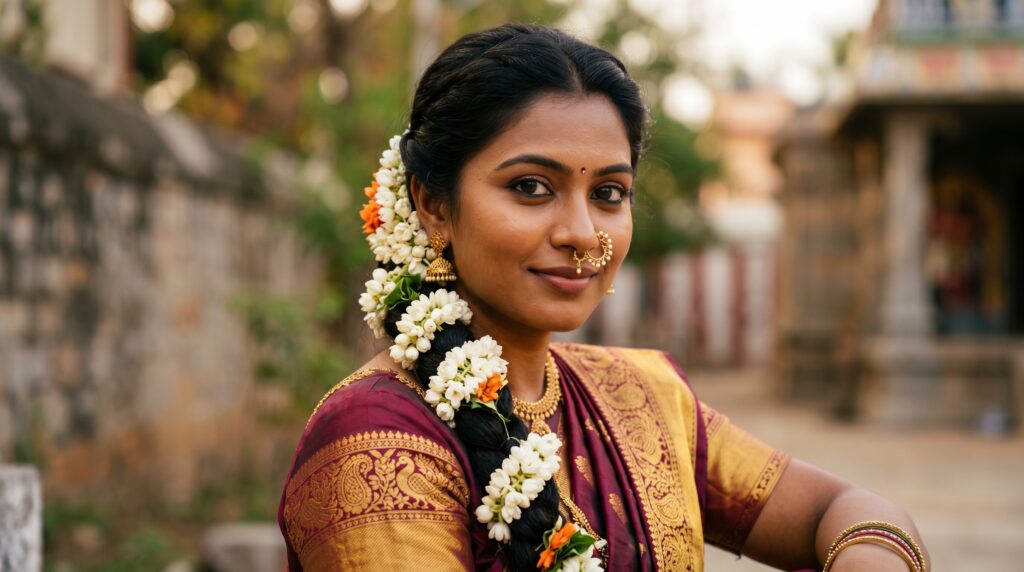
This is just a glimpse of what Indian Beauty stands for (to understand it intricately one has to travel across the geographical mainland). Each land showcases its own visual story, heavily influenced by climate, geography and local traditions.
Northern features are usually defined by sharp contour, strong almond shaped eyes and Indian seasonal wear such as the salwar kameez or an extremely embellished lehenga. Further east in West Bengal and Assam, the look is subtle elegance with big ruby-red markers, glossy black locks and simple cotton sarees. This genre saw celebratory beautiful indian women in various vocations, their interests were now associated with the pursuit of knowledge as well as visual arts, and they usually dressed themselves simply through regular daily schedules of life but sometimes extravagantly for festivals.
The definition of beauty in South India is intimately connected to tradition and spirituality. Notes from Tamil Nadu, Karnataka, Andhra Pradesh and Kerala: Women in TN, KL, KA and up north are shown wearing their hair in tidy long braids pinned with fresh jasmine flowers (known as gajra) They have these everlasting and timeless classic heritage silk sarees like Kanjeevarams or Kasavu that glimmer with golden borders. Soaks in the southern sunlight reflected in glowing dusky skin tones, who are mostly cherished nowadays with traditional, age old beauty ideals crumbling one after another. The beauty of beautiful indian women is based on cultural pride and grace, in addition to its physical features.
The Legacy of Ayurveda and Ancient Beauty Secrets
Even before global brands were born and beautifying billion-dollar companies started marketing their products, Indian households had nature working for them to get naturally glowing skin and lustrous hair. These ancient practices are the backbone of Indian wellness, and these days reinstated through resurgence in Ayurveda worldwide. For generations, gorgeous indian women have relied upon simple elements sourced from the kitchen that offer long-lasting life in place of quick cosmetic solutions.
Arguably the most popular ritual is ubtan, which is a natural mixture of chickpea flour (besan), turmeric (haldi), sandalwood powder and raw milk or rose water. This mixture can be utilized as a delicate exfoliant and skin brightener when applied on weddings and festive seasons! Known for its powerful anti-inflammatory and antiseptic properties, turmeric continues to be a staple in daily skincare methods, combating blemishes to allow skin to radiantly glow with beauty.
Likewise, their ability to keep thick lustrous long dark hair has stood along with Indian beauty is often linked to the popular habit of hair oiling. Champi: This ritual involves massaging the scalp with warm coconut, amla or sesame oil. Hair oiling is more than just a cosmetic self-care routine, it is a bonding family tradition that has been passed down through generations from grandmothers to granddaughters. It nourishes the roof, strengthens hair foundations, and brings relief other than stress by exposing a soothing feeling at any time.
Dismantling The Stereotypes: Challenging Beauty Norms in Contemporary India
Global and local media have conditioned our idea of beauty for decades, but usually only with lighter skin tones. But now we are going through a radical, cultural transformation. Modern Indian women are rejecting these age-old colorist prejudices and embracing their natural skin tones; celebrating the entire range of colors. But the world is finally realizing that what makes beautiful indian women special is not how they look, but their inner beauty in being themselves and embracing who they are.
Generation Z is a strong advocate for inclusiveness. With technology, we have seen a further increase in regionalistic voices and social media campaigns where representatives from remote areas (Northeast India especially)have shown us their cultures, fashion goods and unique faces. The revolution continues to unfold, redefining beauty in India—where sophistication cannot be boxed into the singular constraints of colour, size or standards.
From Saree to Streetwear — The Evolution of Fashion
Indian fashion is a breathtaking tango of old and new. Of course, the saree has always been that epitome of grace and it can be seen draped in dozens of exclusive styles from both Eastern and Western regions of India. Fast forward to today, the modern Indian woman is rewriting this story line. The saree is not just an old-fashioned garment kept hidden in the closet reserved for weddings anymore; it has evolved into a modern-day interpretative canvas. Be it pre-draped pocket sarees with leisure sneakers or melded block-printed cotton kurtas sewn to outlast distressed denim, the modern language is loud, purposeful and intensely individual.
It just goes on to show how beautifully the ancient traditional attire is infused into global fashion trends, and this hallmark of beautiful indian women these days. They embrace their cultural identity with pride whilst fearlessly walking onto the world stage, demonstrating that tradition and modernity are not mutually exclusive. From playing with sustainable and regional handloom fabrics such as Khadi and Chanderi, to stylishly flaunting high-fashion streetwear, their sartorial choices reek of pride and confidence.
Global Wide & Representation In Media H2
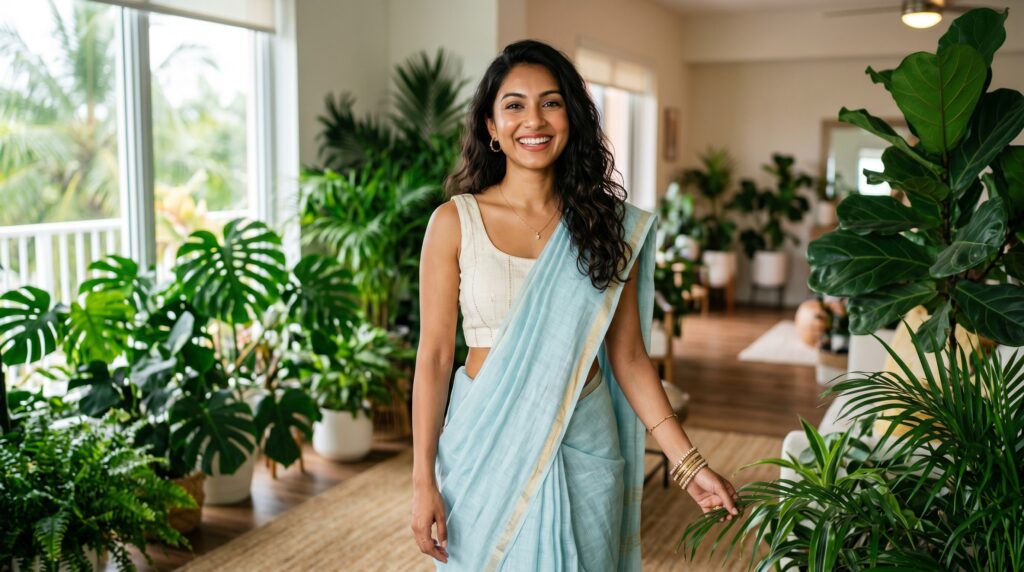
Indian worldly beauty has been engraved within the world around past couple of dozen years. A lot changed in the way that South Asian aesthetics were perceived by international audiences when Aishwarya Rai and Sushmita Sen won two coveted international beauty contests in 1994. They represented more than just a repetition of symmetry; rather these historical achievements displayed both eloquence and intellect as well as deep compassion. The wider world soon discovered that beautiful indian women not only carried the charm of outer beauty but also an innate source of inner strength.
Since then, the likes of Priyanka Chopra Jonas, Deepika Padukone and Alia Bhatt have only solidified this presence in ensuing years. They were not simply stars in their homeland anymore, making strides to the Billboard charts and like never before establishing a stranglehold on Hollywood — joining drives with renowned European deluxe style homes, conversing on global phases about significant social issues. And, with the explosion of streaming services (often somewhat tragically deepening existing imbalances in our viewing habits), we have become able to begin to see all kinds of South Asian stories at least make it into international living rooms abrogating tired stereotypes. Considering this worldwide representation, Western-centric beauty standards have been torn down for a much more inclusive, real, and multifaceted international definition.
Holistic WellnessS: Natural Medicine for Modern Lifestyles
For modern Indian women, it is beyond external beautification as the lifestyle is focused on health and wellness. Life in fast-paced metro cities like Mumbai, Delhi and Bengaluru did pose challenges of its own but hold the ancestral bond with wellness intact. Many of the beautiful indian ladies today combine traditional physical and spiritual methods like yoga/meditation with their physically taxing daily routine.
Such a focus on inside — out beauty is deeply rooted in the concept that our skin health physical glow is simply an extension of inner peace, digestion and mental clarity. The first is a result of traditional dietary patterns strongly led by spices afforded with the nutrients such as ginger, cumin, cardamoms and black pepper. Instead of short-term superficial changes, the focus is on longevity not dieting, eating mindfully and being emotionally fit which then expresses itself as a calm, glowing body.
Jewelry and Best Traditional Adornments.
In Indian aesthetics no conversation is possible without ornamentation. Jewelry is never regarded in India just as an accessory—jewellery is the embodiment of memories, family heritage, and spirituality. Traditional jewelry like the elaborate temple and antique style of South Indian jewelery or grand embroidered, heavy kundan works in Rajasthan is designed with exquisite precision to enhance a woman’s natural position and form.
Even a simple pair of silver jhumkas or a subtle nose pin can change the entire look of a plain modern outfit. This exclusive precision and passion for artistry is a character trait that distinguishes beautiful indian women from any crowd around the globe. Be it a straightforward hand-woven cotton kurta or an elaborate bridal attire, these pieces of tradition incorporate a certain something poetic and cultural story-telling that is distinctly Indian.
BeautyRevolution: Redefining Beauty with Empowerment and Leadership
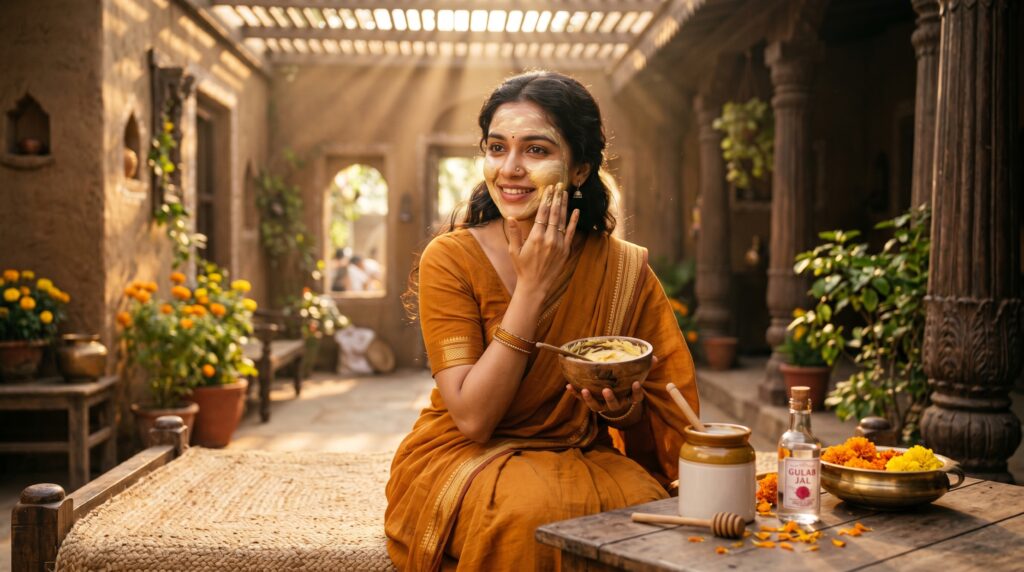
With the turn of the 21st century, intellectualism, confidence and a resourceful kind of leadership have become greater measures of beauty in India. Be it the corporate boardroom or cosmic exploration, India has women who are breaking barriers and winning powerful positions in male dominated fields. The female scientists from famed Indian Space Research Organisation (ISRO) who are leading ground-breaking space missions, or the female techno-prenuers and social entrepreneurs springing up from local communities may embody a new archetype.
This significant transformation is a testament to the fact that beautiful indian women cannot be compromised in terms of their gorgeous appearance, rather they need to be defined by their hard work and sheer courage as well as determination for contributing towards any upliftment of society. Beauty, as we know it is redefined in the 21st century — empowered — educated and independently strong women exude confidence which is irresistible.
Indian Housewives Daily Skin And Hair Care Rituals
Rather than running off to expensive laboratories, Indian beauty has its secrets tucked up behind the warm walls of traditional homes. WHO may choose to innovate it elaborate chemical formulations with multi-billion dollar budgets, but Indian houses still swear by the tenderness of mother ground — kitchen-sourced ingredients (yes! even now).
An all-natural clay mask like Multani Mitti (Fuller’s Earth) has been a household favourite for ages, absolutely conquering excessive oil absorption, blemish clearing and skin purification. Aloe Vera juice is widely grown in homes as a natural hydrator and calming gel that protects skin from the sun on a daily basis. Similarly, here ancient herbs such as Shikakai, Reetha (soapnut) and dry Amla (Indian gooseberry) are boiled together to make non-sulfate based natural shampoos that do not harm hair. Homemade hair oils often infuse hibiscus flowers and curry leaves to prevent premature graying as well as enhance deep root growth. But, retaining the beautiful thick shiny supple skin and hair of these lovely indian women is through a whole myriad of botanically-based sustainable rituals without the harsh side effects of synthetic cosmetics.
The Bindi and Mehndi in cultural context
Bindi and mehendi (henna) are one of the evergreen, sacred as well as an artistic aspect of Indian adornment. Traditionally a small decorative dot donned on the forehead in the middle of the eyebrows, the bindi represents Ajna Chakra or third eye—where wisdom is hidden eg.
Now even, the bindi has moved from its rooted religious emotion and itself as a powerful pitch in the culture and fashion world. Whether it is the traditional red velvet dot or some artistic, jewel-studded design, it shows a unique capability to highlight the facial features of beautiful indian women and emphasize their expressive eyes and lively smiles. Mehndi (which means “what is oily,” ) is used to depict the geometric and floral patterns that are stained in hands or feet of celebrants, so apart from henna symbolizing happiness, wakefulness of soul after the dhoti event, auspiciousness and all in life — same with mehendi. These earliest ornaments have a long tradition of intensively artistic activity, which is still evident in our modern daily life.
Shaping the Global Wellness Movement
Over the last few years, we have seen an Ayurvedic renaissance in the international beauty and wellness industry. The world is waking up slowly to the richness of Indian natural healing, adopting conscious self-care into their lives and embracing clean beauty and botanical formulations.
Turmeric lattes, ashwagandha supplements, and DIY hair-oiling tutorials — these are just a few examples of the type of concepts that went viral on social media worldwide. Ancient Indian ingredients such as gotu kola and holy basil (tulsi) all have major global beauty conglomerates now incorporating these elements into their higher-end product lines along with pure saffron. This change is an incredible endorsement of the sustainable wellness and beauty rituals that stunning indian women have practiced quietly through many generations. The skincare phenomenon that was once viewed as domestic kitchen remedies for novices, is gradually gaining recognition in the global arena as pure gold in complementary, holistic wellness.
The Inheritance of Customals Across Generations
Their generation to generation transfer is what sustains the true beauty of Indian traditions. Beauty routines in Indian households are mostly not solitary affairs. No, they are collective practices deep into the social. You are the grandmother rubbing oil on her granddaughter’s hair, or a mother applying a thin layer of freshly ground turmeric paste — handmade and prepared by her patiently in anticipation of some major life event — on to her daughter’s skin, and you consider it holy
These rituals provide a great opportunity to pass family stories, life advice and heritage. This poetic, tangible transfer of ancient knowledge an age-old practice that makes this ancient wisdom shared by generations of beautiful indian women continue to thrive, unbroken through time and place even amid the cacophony of todays linear society in which technology races ahead at a breakneck pace. It holds families together through the ages wherein it takes years for fashion and cosmetics to change, but families never really detach from their roots.
Conclusion: The Common Thread. The Inner grace –
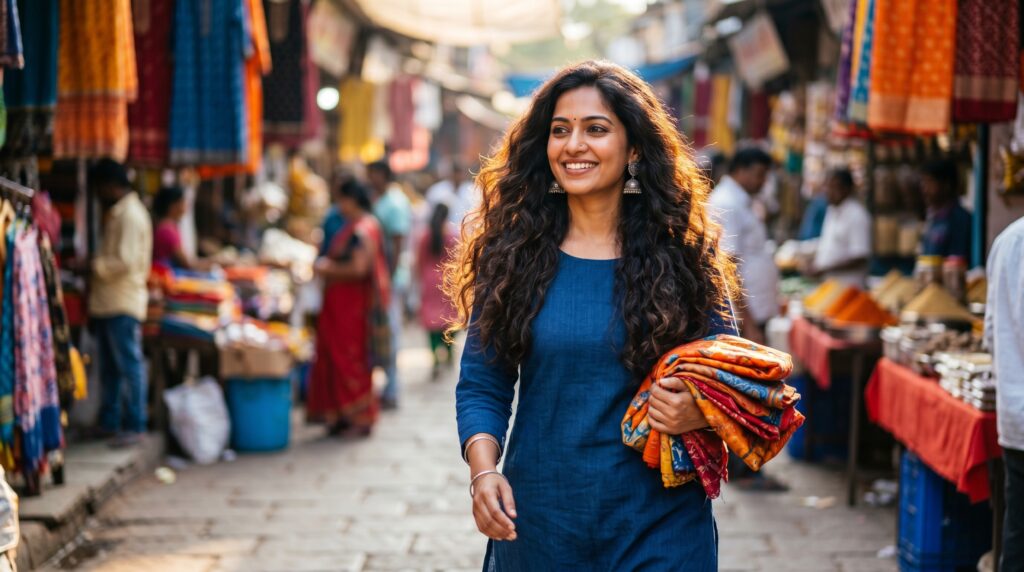
Seeing Indian beauty through just one, a narrow form is such a folly for this intricate splendour. Whether it is the graceful silk weaves of the south or the hardy fabrics and rich hues hailing from up north, the aesthetic becomes a living-breathing tapestry of diversity.
What makes the most beautiful indian women so incredible is not just their fascinating physical appearances but how amazingly they bring together their ancient royal allure with a modern day readiness to conquer the world. Their resilience, intelligence and respect for their origins set them apart world-wide. With the world on its way towards a broader definition of luxury that embraces more inclusivity, mindfulness and naturality for beauty, the lessons from Indian beauty which prioritises wellness, self-love and community will perpetually influence generations onwards.
Frequently Asked Questions (FAQ)
Major traditional beauty secrets of Indian women
Authentic ancient Indian beauty practices widely depend on fresh, natural ingredients sourced locally from the kitchen. A few key components include the frequent application of ubtan (a paste-like concoction made from chickpea flour, turmeric and sandalwood) for gentle exfoliation on skin, along with a weekly champi (warm hair oil massages) using coconut, sesame or amla oil to keep hair lustrous, strong and nourished.
What is the evolving definition of beauty in contemporary India?
Modern India is increasingly rejecting Eurocentric and colorist standards that have long privileged lighter skin. There is a strong cultural movement today in which beautiful indian woman of all complexions are celebrated. The increase in representation ranges from voices to features and styles, right across the nation (and the globe) with great attention on confidence and authenticity.
Ayurveda and its contribution in Indian skincare
Ayurveda — A 5,000–year-old medicinal practice that sees beauty as the outer manifestation of inner health. Ayurvedic skincare works to balance the elements inside of your body using a careful diet, yoga and mindfulness practices, along with gentle pure botanical ingredients like neem, rose water, and saffron — instead of covering up imperfections with harsh synthetic chemicals.
Keep that Hair Strong – Indian Women How Do They Have Healthy Long Lustrous Thick Hair?
There are many who wonder how often the beautiful Indian women have long, amazing thick and vibrant hair. The solution is regular massage with traditional hair oil, steering clear of damaging chemical treatments and washing hair with natural cleansing agents like shikakai and reetha, which help to keep the moisture barrier intact.