
Celebrating Beautiful Somali Women with Grace, Strength and Heritage
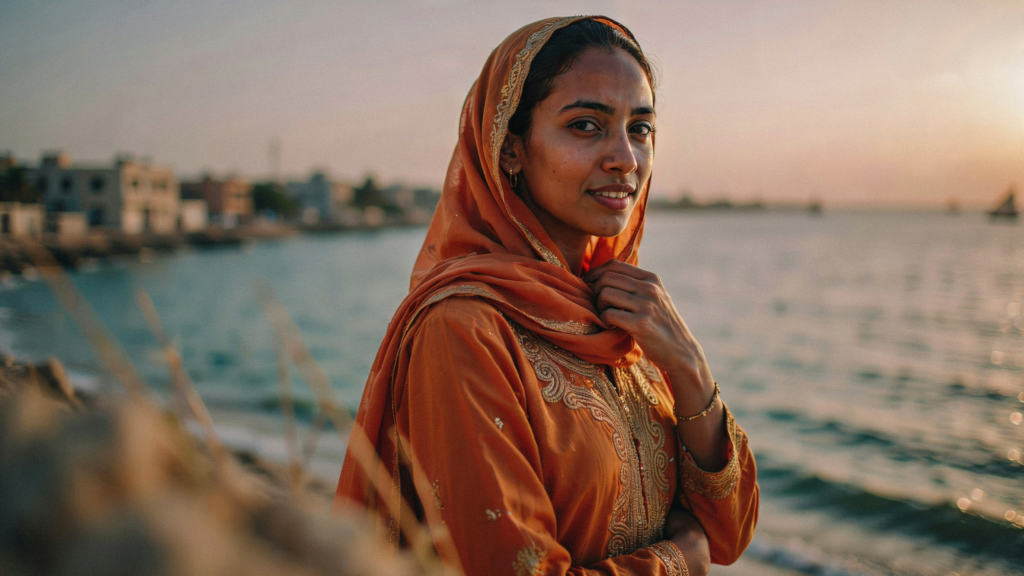
Beautiful somali women; One of the more noticeable features of the culture traveling through or reading about the Horn of Africa is the unabashed beauty and grace of all somali women. Somalia is a culture steeped in strength and art, tempered by the power of trade winds flowing across magnificent landscapes, supported by an abundance of different poetic traditions. The women of this region have been the custodians of a culture for centuries, marrying an uncommon aesthetic with high self-esteem. They are not defined by simple appearances, but rather deep roots of family narratives and governmental gadflying with a genteel manner of living that has pinged the attention to ears for generations.
In order to appreciate the true beauty of this, we need to exit contemporary ideals and embark on a journey through history, one that brings us closer to the Somali people. Somalis are traditionally a nomadic people who have developed admiration for language, poetry and natural beauty. In this environment, one always regarded physical appearance in conjunction with a person’s character and intelligence and kindness. Even in the present day this tradition is alive and well, connecting what once was with contemporary life in a more globalized land.
Somali Beauty Philosophy “Asli” and Inner beauty
Beauty was never physical in somali society, and beauty to the eye is a heavy combination of character, eloquence, and dignity, which exactly why beautiful somali women are praised much more for how self-sufficient they can make themselves with their insane inner being that God gave them along with good looks. Asli, in Somali, is often used to describe something of pure original form or unadulterated nature. It refers to a certain type of beauty, one that is forced, deeply ingrained, and an inheritance from your forebears.
Traditionally, in Somali myth and love poetry (called Qaraami or Belwo), poets didn’t just celebrate a woman’s physical attributes — the length of her hair for example or how gracefully she stood. She was the muse of verses extolling her wisdom, her power to hold families together, her hospitality, and her voice. The confidence of Somali women has been forged through this comprehensive view of beauty throughout the centuries. The eternally-beautiful somali women, alive with the presence of their heritage whether stepping through Mogadishu’s historic and sun drenched streets or the cosmopolitan cities of the diaspora. They are confident because they know who they are, where they come from and just how strong the generations of women who walked before them were.
Traditional Clothing — The Craft of Guntiino and Dirac
In Somalia, clothes are more than just material pieces stitched together — it’s a form of visual rhetoric that narrates tales of status, occasion and identity. Somali women typically wear traditional clothing characterized by colorful and light-weight garments with graceful drapes that perfectly coincide with East African weather.
GUNTII: The Resilient Nomads
The Guntiino is one of the oldest traditional Somali clothes which is mostly popular among somali women. It is typically a long strip of white cotton fabric that is woven with decorative colorful borders and draped over the shoulder like kankana and wrapped around the waist.
The Guntiino which once served as clothing worn everyday by women, in nomadic and agricultural societies, embodies practical beauty. They provided some freedom of movement but with a modicum of decency. Now, the Guntiino is used less regularly in urban areas today and was not a staple for everyday wear as it once had been; but it remains an enduring symbol of cultural expression. Women wear modified versions of the Guntiino during cultural festivals, national holidays, and local traditional dance performances (often made in vibrant reds, dark yellows, dark blues)—to show to the world: “I am tied to this land.”
Dirac And Gorgorad — A Combo Of Festive Glamour But Color
Dirac is the peak of Somali glam you save for weddings, Eid celebrations and sometime formal events. Dirac It is a belly-dressed long and flowing lightweight dress, made of high quality chiffon, silk or voile. It is worn on top of a matching slip (known as Gorgorad) and paired with an exquisite shawl codified Garbasaar.
A particular flexible outfit type to really recognize the in-built elegance of attractive Somali women with terrific colouration palettes initiated into immeasurable relaxation and ease. The Dirac is known for its fine designs with elements of gold thread, floral patterns and glitter. What is good about the Dirac, and what make it such a special item in your collection compared to all other watches is that it truly works with any outfit; The dirac flows gracefully each stride and creates an elegant yet humble presence. Today, the Dirac is a source of worldwide acclaim in contemporary fashion buildings and takes centre stage on international runways and red carpets as an expression of East African wear.
The Cultural Importance of Gold and Henna
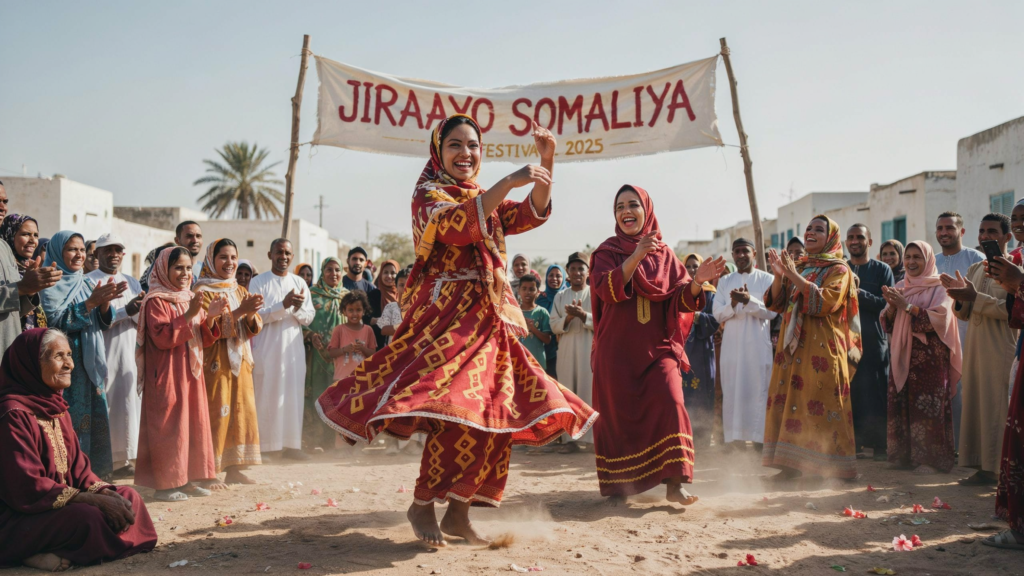
The elegance of the Somali woman is not complete without talking about the accessories when she wears her traditional clothing. Jewelry and body art are more than decoration; they are markers of important life events, familial ties, and self-expression.
In Somali culture, gold jewelry — or Dahab — has legendary status. Women traditionally have jewellery since childhood, with gifts from the parents and Meher (dowry) at marriage. Somali gold is often high-karat (21 or 22-karats) with heavy, hand-crafted designs—chunky bangles and stylish necklaces. Not only is this gold an investment; it is wearable safety, a collective emotional asset and familial pride among women that are often passed down through the generations.
Besides gold, Xenna (henna) also plays a big part in festive preparation. Henna parties are held before a wedding (Aroos) or important celebration, where women come together. Jewel-studded floral and geometric designs are painstakingly drawn on the hands and feet by skilled artists. Upon closer examination of these customs and heritage, it is evident that one reason beautiful somali women are even more aesthetically pleasing, is as a result of their deep roots to their ancestry. The smooth glistening golds with the dark and rich henna on skin embodies a classic look of happiness and celebration.
Modern, FASHION, ART, AND THE WORLD
Stepping on the Global Scale: Contemporary Somali Women in Style and Media
The influence of stunning somali women has been revolutionary in the realm of high fashion and around the world. For the longest time, fashion around the world was based on a very white Euro-centric beauty ideals often omitting all that is the vastness of beauty that lies within the African continent. But then a wave of trailblazers from Somalia came along to break all those barriers with a heady combination of grace, smarts and heritage that landed them on the world stage literally (Katoucha) and figuratively (Naomi), spanning runway catwalks, magazine covers or high-end beauty campaigns.
Somali representation on the world stage has shifted perceptions of East African beauty. It proved that style is more than just fashion, it’s about tradition, heritage and idenlity. By working in the top rungs of fashion, these women have celebrated their bodies as well as used their platforms to promote inclusivity, cultural appreciation and philanthropy.
Iman The Goddess of Diversity in Fashion
There are certain names that cannot be omitted when talking about contemporary fashion and one of them is Zara Mohamed Abdulmajid (better known as Iman) Found in Nairobi in the mid-1970s, Iman soon saw her name cemented as one of the planet’s earliest black supermodels. Her slinky neck, regal poise and dazzling copper skin made her a favourite among famed designers from Yves Saint Laurent to Gianni Versace and Donna Karan. This is the time Saint Laurent famously dubbed her ‘his dream woman’
Iman paved the way for more beautiful somali women of a new generation to show that African beauty was no longer just the stereotype, considered only as a tribe or a narrow definition. Outside of the runway, Iman saw a huge void in the makeup industry: shades that catered to women of color. In 1994, Iman started Iman Cosmetics, the first cosmetics line to cater specifically for women with different skin tones. This, combined with her love for entrepreneurship and commitment to including all women, made her an international success that changed the definition of beauty standards for women around the world.
Halima Aden: Changing Perceptions of Modesty on the Catwalk
Years have gone by since Iman opened the doors, and another young woman stepped up to rewrite some of those industry rules. Somali-American model Halima Aden is the first hijab-wearing model to be signed to a major international modeling agency, IMG Models. She made headlines around the world back in 2013 when she took part in the Miss Minnesota USA pageant wearing a hijab and a burkini, stating she would not be sacrificing her beliefs for the contest.
Halima’s rise was meteoric. She walked for high-end luxury brands, appeared on the cover of Vogue and was featured in campaigns with Fenty Beauty. She inspired millions of young girls around the world by proving that modesty and high fashion could coexist, and beautiful somali women around the globe don’t have to compromise their values to achieve what they want on an international stage. Walking the runway was like an affirmation of self-love and, that really being beautiful is staying true to your faith, culture, and identity.
Reengineering Heritage : Somali Designers and Creator
Models have introduced Somali beauty to the runway, but a new generation of local Dakar-based designers, stylists and artists are quietly reshaping East African fashion. Those creators are melding elements of traditional clothing with modern streetwear to craft a style that will resonate with the older generation and the global youth.
Most of these designers are reinventing the original Dirac and Guntiino, to include contemporary designs through cuts, sustainable textiles and fresh ways of styling. They are presenting East African patterns around the world, making traditional garments available to larger audiences while retaining the modesty and cultural importance of more traditional designs. Here, these modern-day visionaries are re-imagining traditional wear with a cosmopolitan spin, showcasing how beautiful somali women can sport the ensemble with ease. In doing so, they are demonstrating that heritage of the traditional kind is not some old archaic form of art but a dynamic and living expression.
The Power of Representation in Modern Media
And, thanks to social media — Instagram, TikTok and YouTube in particular — these stories are no longer entirely told by various traditional gate-keepers in Paris, New York or Milan regarding East African beauty. A new generation of Somali creative, photographers and visual artists are exhibiting their culture on their own terms in today&39;s world.
They do everything from traditional wedding preparations, to new-age beauty tutorials and everyday lifestyle vlogs — all through the medium of digital story-telling. They point out to the mind-boggling diversity that lies within their own community, breaking stereotypes of old and demonstrating how rich their heritage really is. This means that digital spaces are defining a new world of East Africa as the colourful stories, captivating portraiture and fierce voice of these powerful somali women increase. This digital renaissance has allowed young girls of Somali descent across the world to finally see themselves in an authentic and positive light creating a strong sense of pride and community
This is Part 3: Resilience, against the odds – where leadership is born and contributions to society are made
Resilience and Strength, Pillars of Somali Society
Although the beauty of East Africa is often celebrated — and rightly so — it is in the endurance of its people where their real stories are found. In the Horn of Africa, women have been the foundational elements serving their communities through years of political impermeability, civil war and environmental cripple this part of Africa has faced. This silent, unbreakable strength is an essential trait of beautiful somali women whose fortitude has held families and bonds together through some of the worst times in the country
In the community, when it had broken down traditional institutions —who was the last to patch together a local economy? Women. They started small businesses, became agents of their own trade networks, and worked in the informal economy to provide food, education and health care for their children2. This transformation, altering the gender paradigm of the region’s economic role from homemaker to an economic center. As of today, their power is conceived not just as survival instinct but it has become a progressive frontline for reconstruction—of the nation.
Leadership, Activism and Political Empowerment
Somali women are not only a catalyst for local community support, but have also made an impact on national politics, human rights activism and global diplomacy1. Whether by creating medical havens or taking the helm on ground-level peace organizations, beautiful somali women have already demonstrated how their leadership can be indispensable to what’s needed for rebuilding society1.
DR. HAWA ABDI : PRESERVING LIVES & DIGNITY
Among the most beloved figures in East African history was the late Dr. Hawa Abdi, a physician and human rights advocate who has been described as the “Mother Teresa of Somalia”5[7]. She started a modest one-room clinic in 1983 on her family’s ancestral land to give maternal health care4. She did not leave when the civil war broke out in 1991. Rather, she welcomed anyone in need of refuge to her land, regardless of clan4.
Her clinic had grown over the years to an enormous refuge called Hope Village which at its zenith housed, fed and treated over 90,000 internally displaced people most of them women and children4. Dr. Hawa together with her daughters Drs Deqo and Amina both medical doctors defended with weapons in hand the patients under their care from armed militias 4[8]. The work of her life showed the world that beautiful somali women have the vision and organizing genius to heal a country[4], [7].
Shattering Politicse Global Boundaries Fawzia Yusuf H. Adam et al Especially
Women have fought against systemic barriers in politics. One notable example is the appointment of Fawzia Yusuf H. Adam as the first Female Foreign Minister, and Deputy Prime Minister of Somalia 3. She later declared her candidacy for president, campaigning on the platform of anti-corruption, education and women’s political empowerment9.
Within the global diaspora, Somali women are reaching unprecedented heights as well. For Representative Ilhan Omar, who thus made history in the United States as among the first Muslim women members of Congress, it was a no-brainer to represent her constituents with nothing short of ferocity. Their political trajectories have inspired a new generation of beautiful somali women to enter politics, advocate for legislative change and take their place as decision-makers3.
Creating A New Generation of Academic Excellence And Global Entrepreneurship
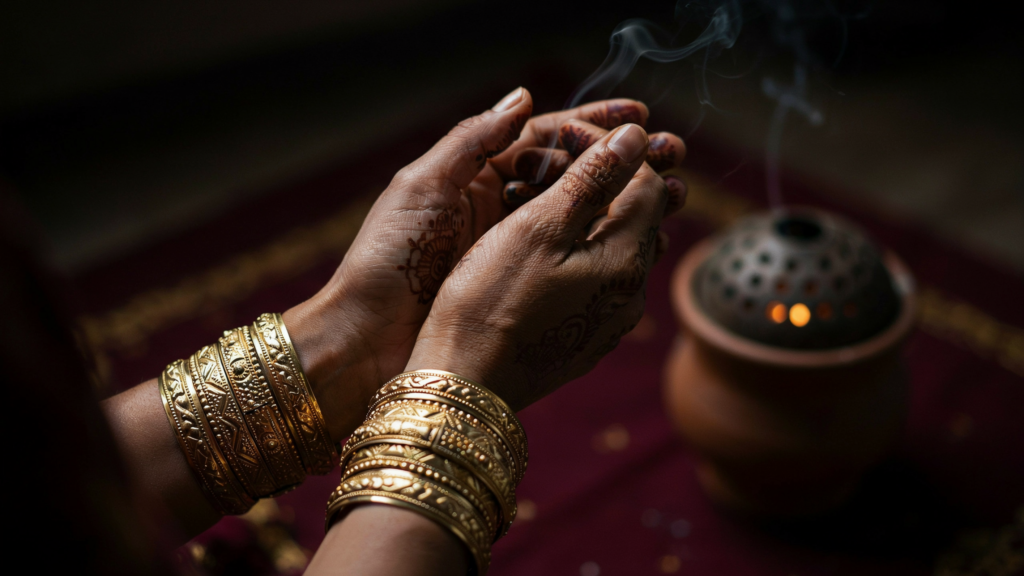
With the dispersal of Somali members in North America, Europe and the Middle East, a focus on education and entrepreneurship has developed. Young women today are attending universities in record numbers, seeking careers ranging from medicine to law, engineering and the arts.
While in business, they are creating successful companies; everything from contemporary moderate apparel brands to innovation new businesses, inventive offices, and speciality food organizations. This ambition is imbued in them through decades of trading culture and historical self-reliance. Bringing together the multiple facets of modern professional expertise and its rich tradition, creating something new out of it in unique opportunities which will help bring their drawing attention to their community globally.
The Importance of Motherhood and Community Care
The family is the basis of this prosperous culture where women are honored and regarded as sacred. As mothers, grandmothers and aunts, they are the primary teachers, imparting language (Somali), oral histories, religious values and traditional customs.
In addition to the immediate family, this virtuous nurturing role extends to encompass the population. In chapters where Somali women tend to be the primary community members, they develop intricate networks of mutual support— organizing community funds, helping newly landed immigrants and making sure no child in their neighborhood is hungry. Thus the beauty of somali women legacy is passed down not merely in stories of yesteryear but with real, everyday actions that make a difference—in the here and now.
Purity in Beauty — The Somali Wellness Ritual
With the skincare world more saturated than ever in synthetic formulations and complicated chemical routines, a global love for Ayurvedic-inspired beauty is coming to surface again. East African beauty traditions have approached nature as one of its greatest and most trusted allies to harness the nourishing properties found in native botanicals, with generations passing down knowledge regarding their incredible skin- and hair-nourishing benefits. Whether you have beautiful thick hair or crazy glowiiing skin, generations of beautiful somali woman have relied on natural and locally sourced ingredients to fulfil their skincare desires. Beliefs, passed on from grandmothers to granddaughters are testimony to a deep-rooted culture that worships nature.
Qasil is one of the most famous beauty secrets. Qasil- A natural, multi functional powder made from the crushed leaves from the wild Gob tree (Ziziphus mauritiana)that grows in the dry soils of Somalia. Combined with water, it creates a smooth, soapy paste which serves as a very light detergent, face mask and even shampoo. A natural source of antioxidants and saponins, Qasil cleanses your skin deeply, combats acne and imparts a healthy glow. This ancient secret has swept across the international beauty world and Qasil is making its way into sustainable routines around the globe.
Along with Qasil, the traditional use of turmeric for face masks is big in Somalia (locally known as Hurud), they used to make them put it on their face mask would nourish and brighten the skin especially before a wedding. You experience beauty through your senses, and Uunsi—an incense made of resin, frankincense, and fragrant woods—completes that experience. Uunsi is mild smoke, used to cleanse clothes, hair and home, extra luxurious scent trapped in a clay pot called a Dabqaad. It simply embodies yet another aspect of the lifestyle that speaks cleanliness, hospitality and self-care.
Conclusion : A Legacy Of Grace And Strength

In the end, what makes the women of Somalia who they are is a splendid duality: an elegance that is as fragile as silk and a strength that is fleshy and unyielding like steel. Be it enshrined through their colorful Dirac, dominating in the political world or announcing to the globe how they keep that gorgeous melanin glow by an ancient skin care secret, beautiful somali women are still kings and queens of this planet. They demonstrate that preserving local culture and global modernity need not be mutually exclusive.
In international fashion capitals, in reaction to political hot buttons around the world, at your local coffee shop where community organizers are getting all of us on the same page and out doing the work every day. This is beauty with the wings of memory; this is beauty on a path where legacies rise and fall when the gypsy lies beneath grace, intelligence and ancestry—the legacy of beautiful somali women. The world is witnessing it all — drawing inspiration and courage from their graceful resilience, as they keep writing the story on their own terms.
Frequently Asked Questions (FAQ)
1. What are the traditional clothes of somalian girl?
The Somali women have on a few types of customary attire. The Dirac is a long, cumbersome elegant apparel designed in chiffon or silk for weddings and festivals. It features a robust cotton drape traditionally layered around the waist with looseness over the shoulder, appropriate for their nomad existence: called the Guntiino. It is basically a shawl or veil that is used over the Dirac.
2. What is Qasil powder that makes it so popular?
Qasil is a natural green powder made from dried leaves of the Gob tree. Somalia has, for centuries, been using it as a natural cleanser for the skin, baby oil and face masks and shampoo. It is treasured because it cleanses, exfoliates, combats the dreaded acne and brightens without using abrasive chemicals.
3. Q: What is the significance of gold in Somali culture?
Gold (Dahab) is tremendously valued in Somali culture and society. It is considered as investment, status artifact and a customary gift during weddings. Women are provided with gold in their dowry, which acts as a sort of personal safety net and financial buffer for the bride.
4. Name some recognised Somali figures in global fashion.
Fashion’s living legend is Iman — one of the first black supermodels in the world and founder of a pioneering makeup line for women of color. Halima Aden, re-defining the West’s limited definition of modesty in modern fashion, became the first hijab-wearing model to walk a high-fashion runway anywhere in the world.